
HK Hacks.
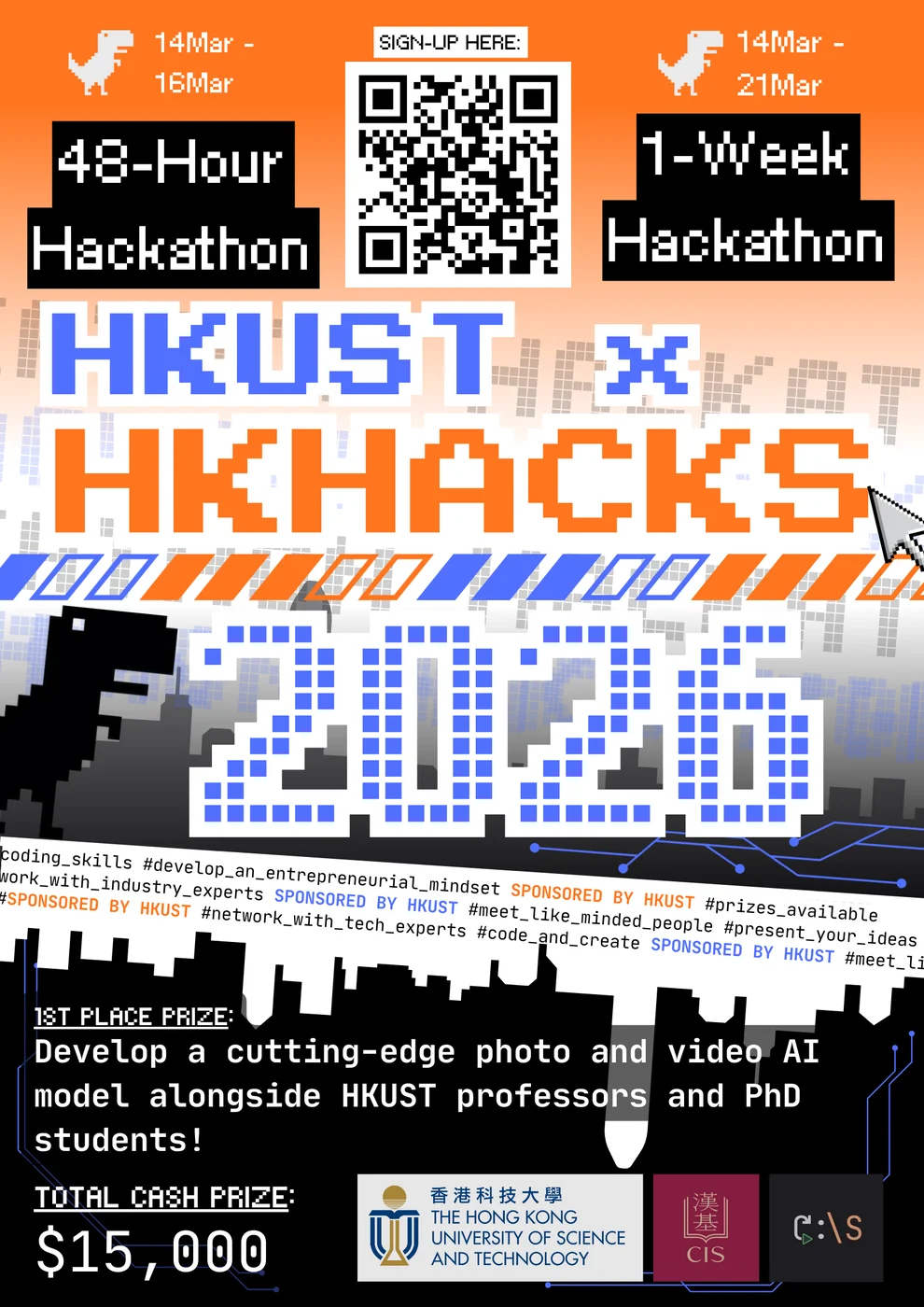
A free hackathon hosted by CIS, open to students aged 11–18 across Hong Kong. One week, one problem, one working solution, with workshops, mentors, guest speakers, and prizes along the way.
HK Hacks 2027 details coming soon
Dates, sign-ups, and judges for the next edition will be announced here; sign-ups usually open in January. In the meantime, read on for how the event works, or see how HK Hacks 2026 went.
What it is
HK Hacks is an event to showcase your coding skills, develop an entrepreneurial mind, network with other tech enthusiasts, and win prizes. We welcome people of every skill set and background to build a project that solves an assigned problem within a fixed time frame.
The goal is a functional solution by the end of the week. Along the way you'll meet professionals from the technology field, get their feedback on your work, and make new friends.
How it works
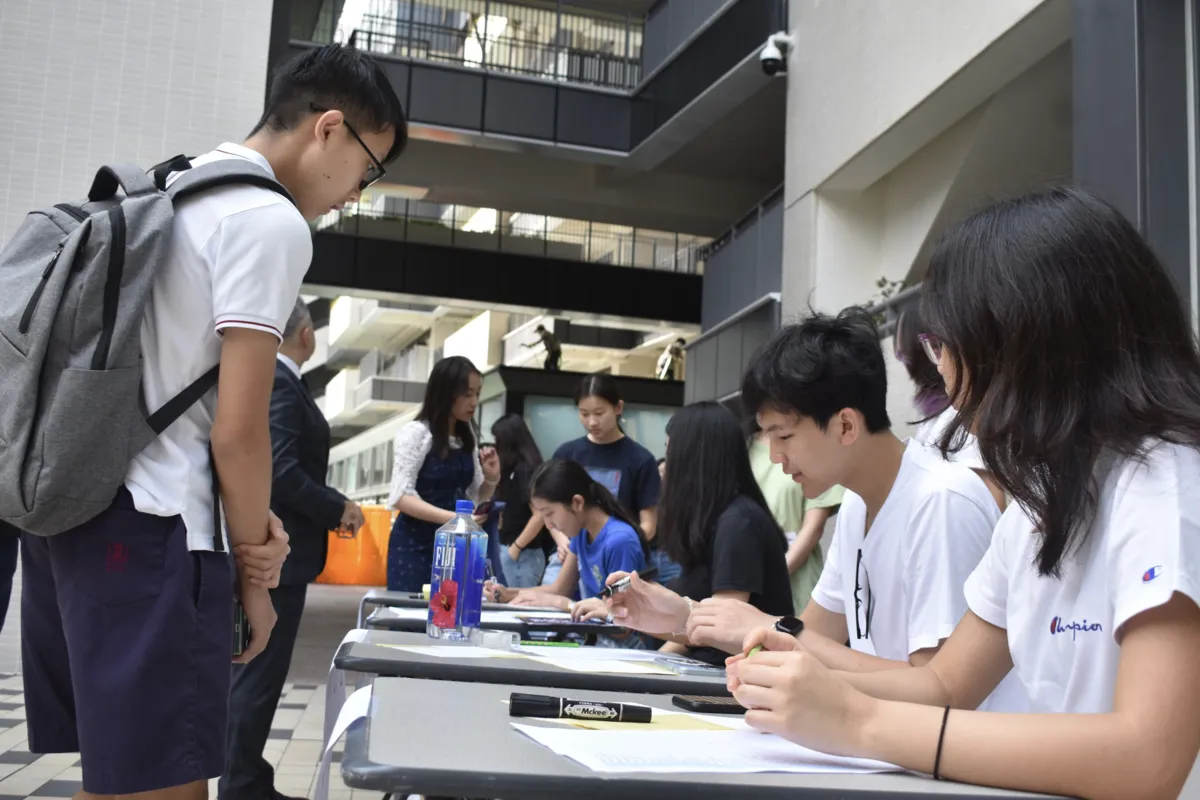
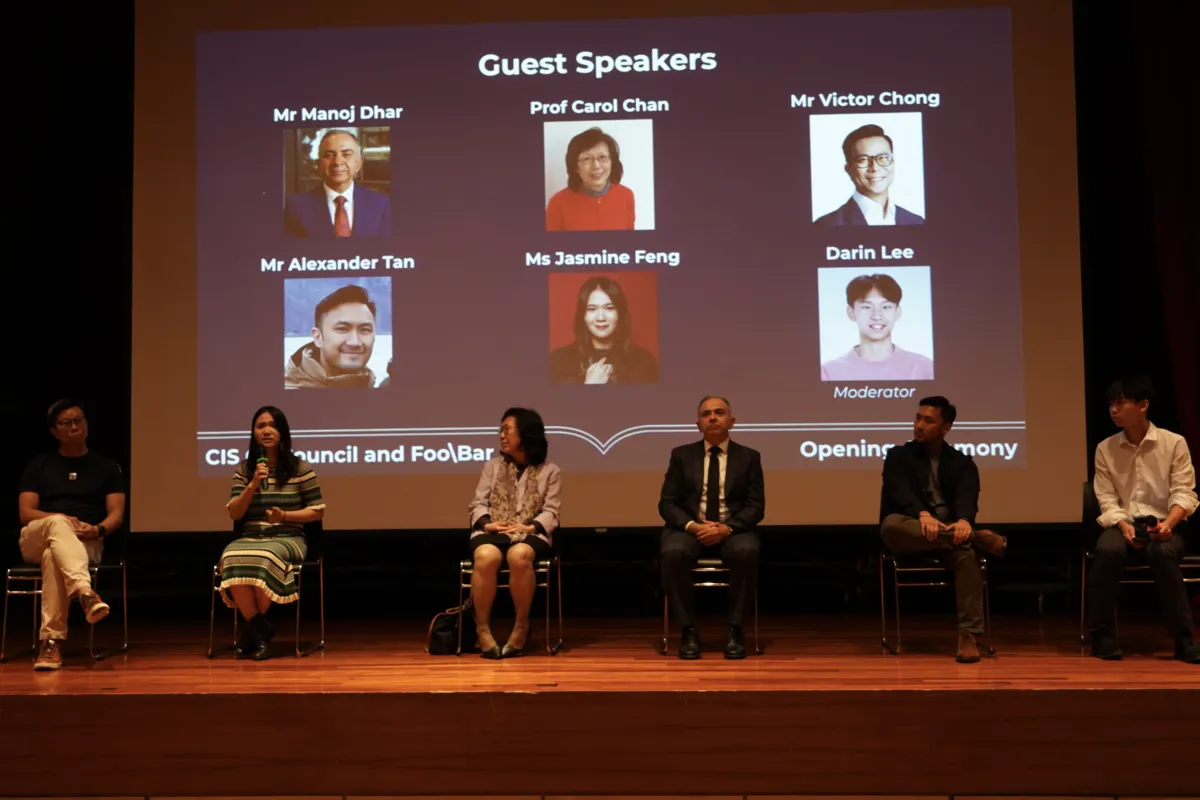
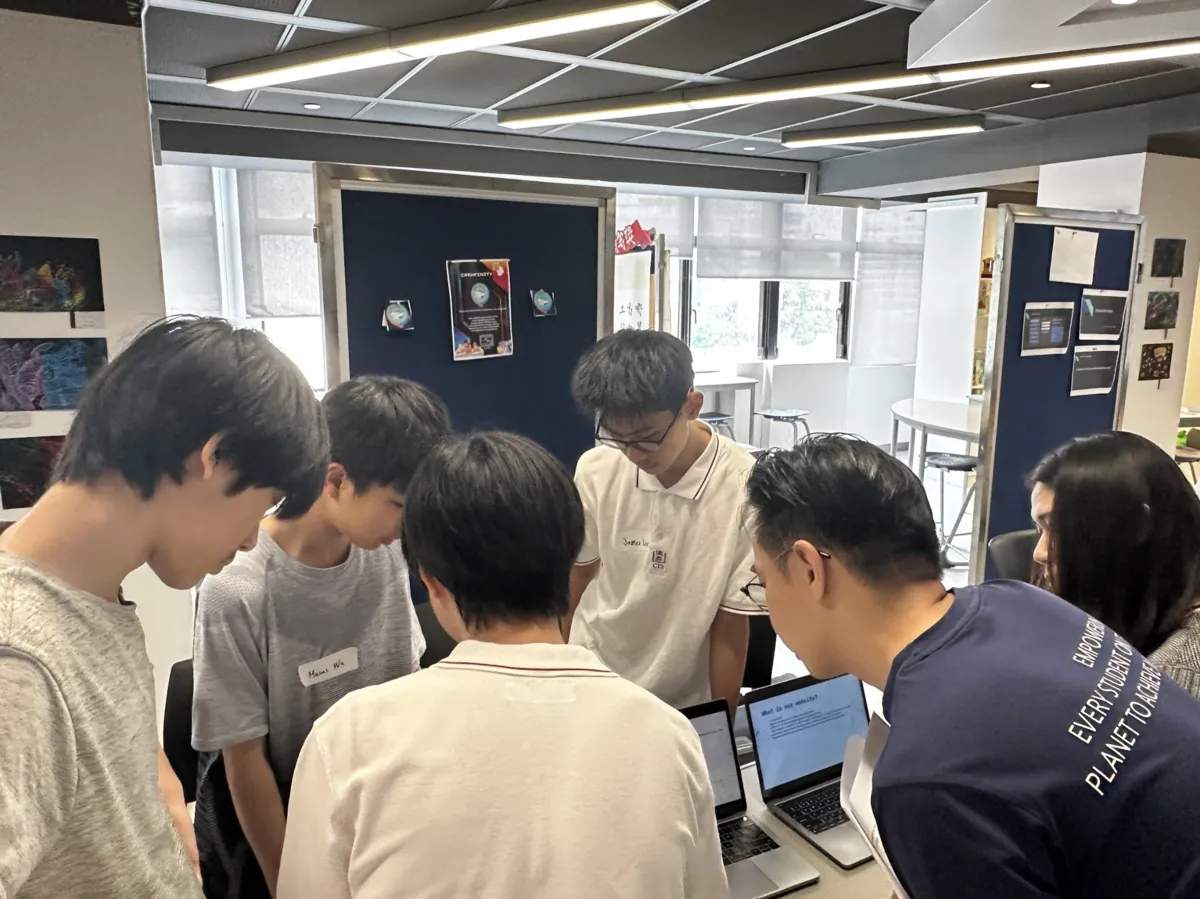
Presentations, workshops, guest speakers, and an award ceremony. Teams of three to five build a solution to a problem revealed at the opening ceremony. Solo sign-ups are grouped into teams, and every team is given a peer mentor.
Past editions have run two formats: a 48-hour hackathon open to all students, and a one-week hackathon split into beginner and intermediate levels that you choose between when you sign up.
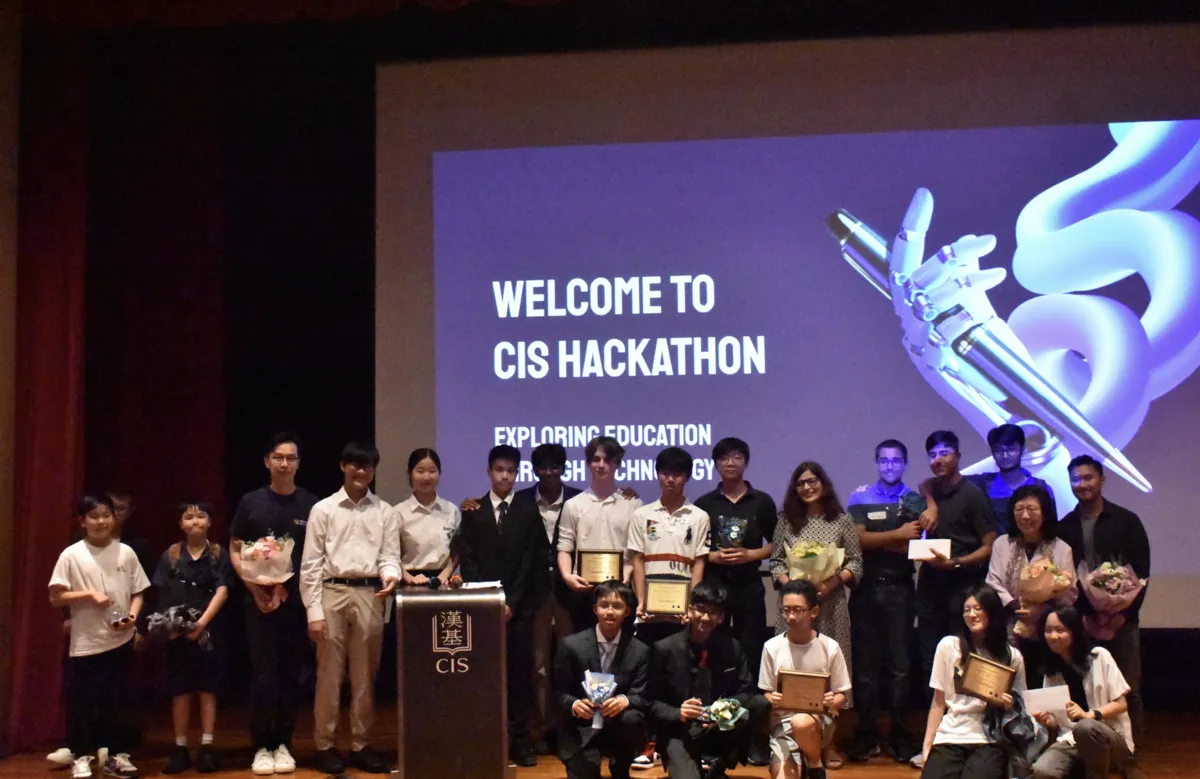
Prizes
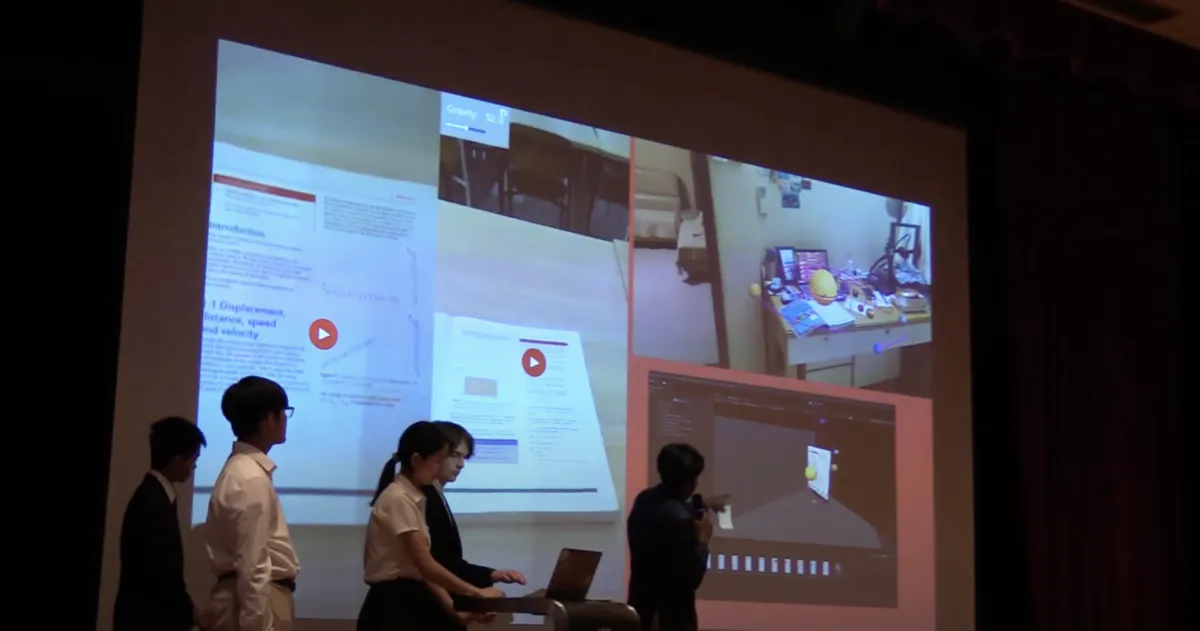
From the most recent edition, for reference.
Trophies are also awarded for Popular Vote, Best Creativity, and Best Teamwork.
How judging works
The 2026 rubric, kept here for reference. A project's score is calculated as (A + B + C + D) × E.
| Criterion | Scale | Weight | What it measures |
|---|---|---|---|
| A · Technical knowledge | 0–6 | 40% | Technical depth from a coding perspective: actual execution, such as efficient and concise code, and conceptual depth, such as integrating machine learning. |
| B · User experience | 0–3 | 20% | How the program is constructed and how appealing it is to use: visual appearance, layout, and how well its functions work with the interface. |
| C · Plausibility & effectiveness | 0–2 | 13% | The potential to create change: whether it is novel enough to attract users, effective in its target area, and plausible to build and implement. |
| D · Functionality | 0–4 | 27% | How complete, reliable, and well-integrated the features are: core functions working as intended, components interacting cleanly, and stability in use. |
| E · Adherence to prompt | ×0.25–1 | Multiplier | How effectively the product addresses the given prompt: relevance, appropriateness of the features built, and clarity of justification. |
Full band descriptors
Criterion A · Technical knowledge
| 0 | The code shows minimal technical depth. Logic is basic or heavily reliant on templates and tutorials. Structure may be disorganised, with poor readability and limited commenting. |
| 1–2 | The code demonstrates some understanding of intermediate concepts but lacks optimisation or clean architecture. Some modularity and documentation are present, though inconsistent. Tools are used to assist the product, but only partially. |
| 3–4 | Code shows clear structure and thoughtful design, with efficient logic or data handling and complexity appropriate to the challenge. Use of external frameworks, APIs, or abstractions is well executed. AI is used appropriately to enhance the user experience. |
| 5–6 | Code demonstrates advanced problem-solving and strong architectural thinking, integrating multiple technologies seamlessly. Exceptionally clean, efficient, and well documented. Use of artificial intelligence goes beyond importing an existing model and giving it a prompt. |
Criterion B · User experience
| 0 | Interface is confusing or lacks design consistency. Navigation is unclear; layout and aesthetics are underdeveloped. |
| 1 | The interface is functional but somewhat cluttered or inconsistent. Users can navigate, but interactions lack polish or accessibility. |
| 2 | The design is visually appealing and user-friendly, with clear navigation, consistent layout, and responsive behaviour across devices. |
| 3 | An outstanding experience: visually cohesive, intuitive, accessible, and responsive. Demonstrates thoughtful user-centred design principles. |
Criterion C · Plausibility & effectiveness
| 0 | The end product is inapplicable as a solution to the prompt, and does not consider real-world application or implementation. |
| 1 | The product is somewhat applicable as a solution. Most aspects are realistic to execute, though certain parts may hinder its effectiveness. |
| 2 | An exceptional and applicable solution. The product considers real-world problems with implementation and addresses them directly. No aspect hinders its effectiveness. |
Criterion D · Functionality
Higher scores are awarded to products that move beyond a basic prototype, demonstrating polished, well-tested functionality with minimal errors or incomplete features: core functions working as intended, components interacting well, and overall stability during use.
Criterion E · Adherence to prompt
| ×0.25 | The end product does not address the proposed prompt. The code and features are unnecessary and out of focus, and the choice of product is poorly justified. |
| ×0.50 | The product partially addresses the prompt by responding to the core issue. Most code and features are relevant, though some are unnecessary or unrefined. The choice of product is somewhat justified and shows a reasonable attempt to align with the intended purpose. |
| ×0.75 | The product partially addresses or solves the prompt. The code and features are mostly appropriate, with some unnecessary or unrefined. The choice of product is somewhat justified. |
| ×1.00 | The product directly addresses or solves the prompt. The code and features are appropriately chosen and demonstrate creativity and innovation. The choice of product is completely justified and makes logical sense. |
Questions
I'm not an experienced programmer. Can I still join?
Absolutely. We run programming workshops throughout the week for every experience level, and mentors are on hand to help. A team also needs more than coders. Designers, environmentalists, and others are equally important.
I don't know English that well. Can I participate?
Yes. Being a native English speaker is not a requirement and won't factor into judging. Note that workshops are run in English, and your final submission should be in English.
Do I have to be in Hong Kong to join?
At least one member of your team must be in Hong Kong on the two in-person days: the opening ceremony and the finals.
Do I have to miss class for the hackathon?
No. The in-person events take place on weekends at CIS, so you won't miss any school. During build week you work on your project in your own time, with online resources to support you.
Do I need a supervisor to accompany me?
No, a supervisor is not required to attend the event.
I'm not part of a team. Can I join?
Please do. We group individuals into teams based on the interests you share with us after signing up, so there's no need to find a team yourself.
How does a hackathon work?
The goal is to collaborate with a team to create a project in a short period of time. Partner companies present a problem statement they face, and your team builds a solution to it over the week.
Do I have to attend the workshops?
Attendance isn't compulsory, but we strongly encourage it, because the workshops teach skills that help with your project. If you have a clash, recordings of selected workshops are made available.